Labex life
Up-and-coming researchers: gaining height at altitude
 @Leïla Shahshahani
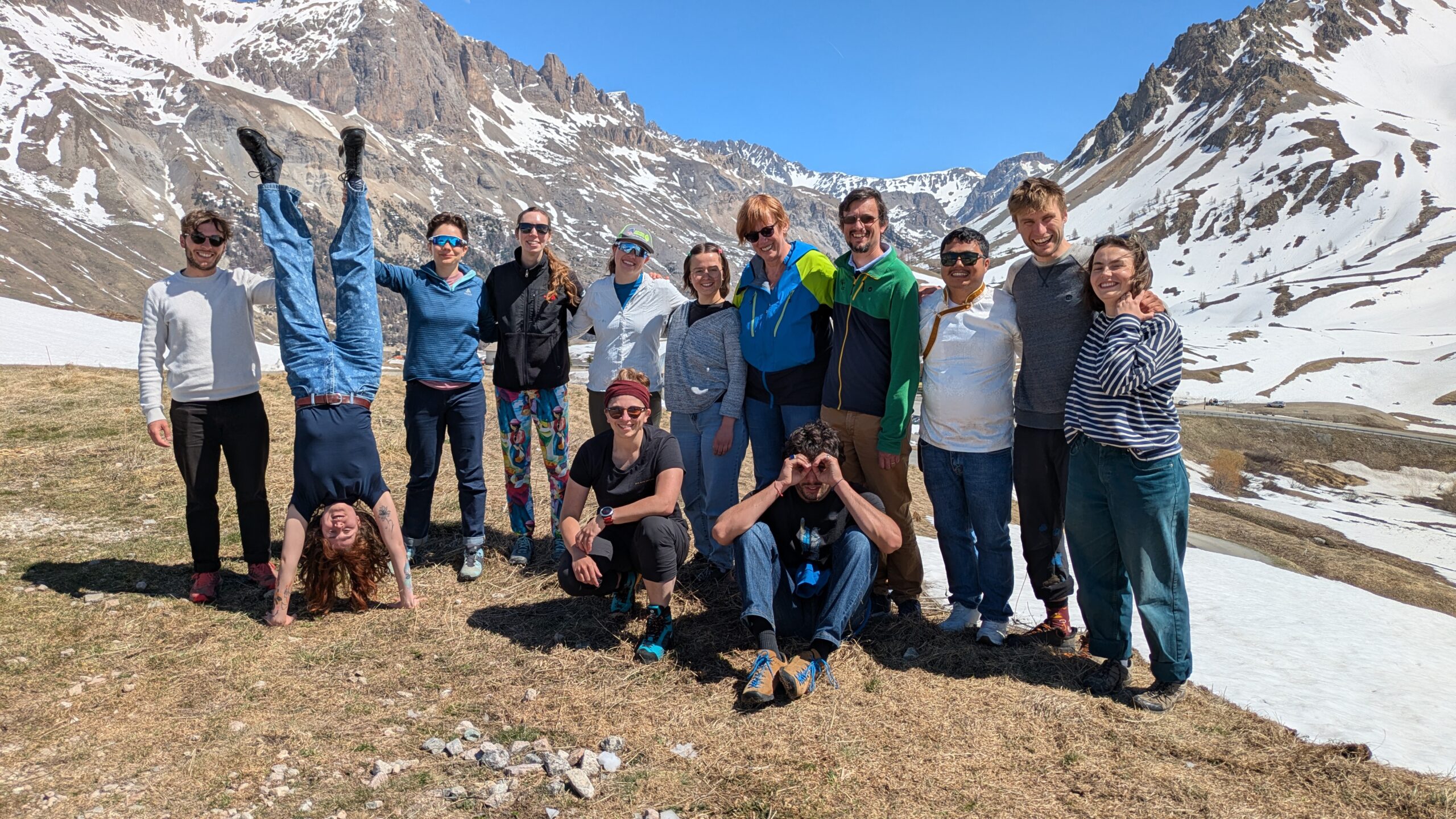
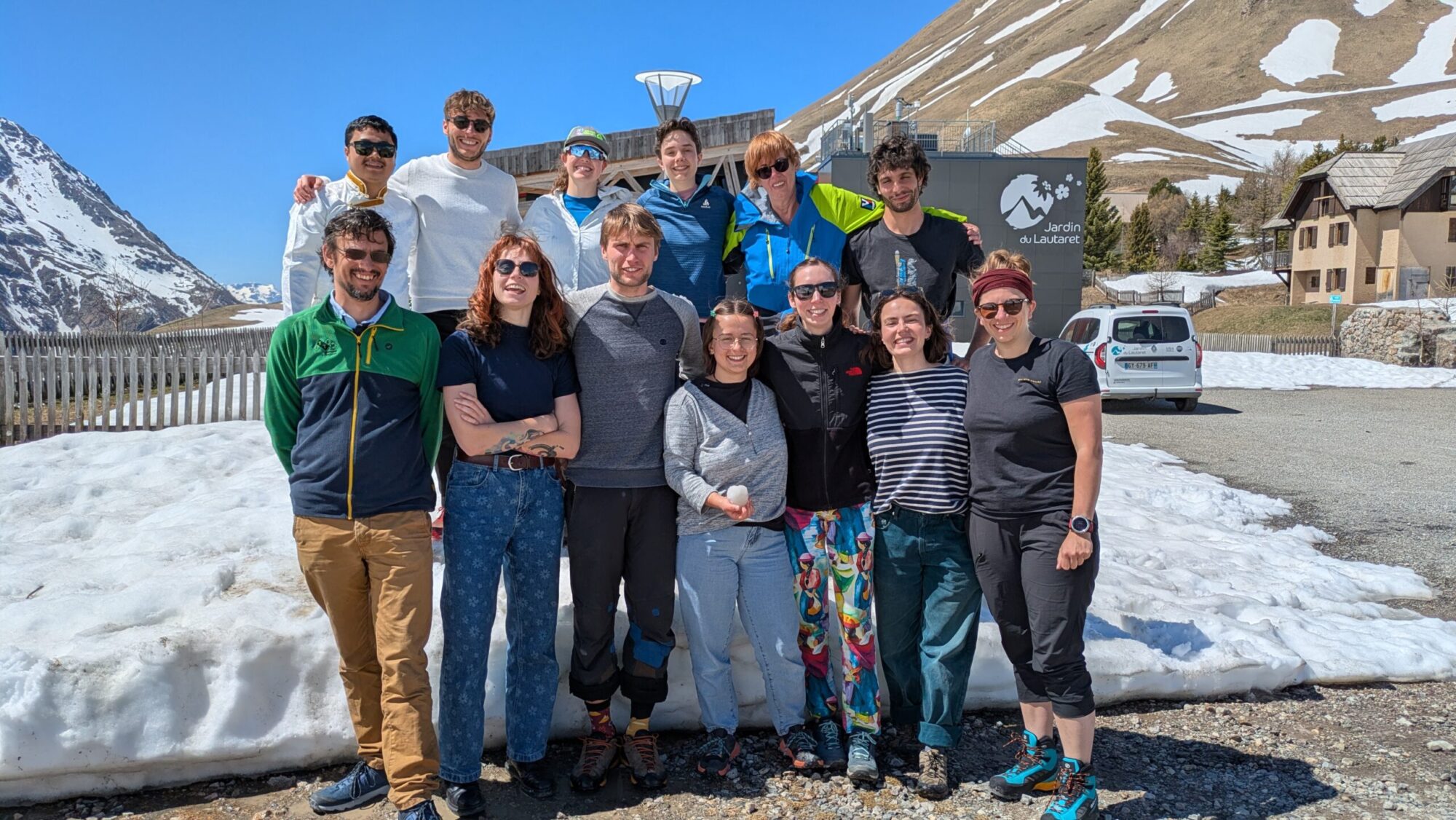
Eleven students from Masters to PhD level took part in the first spring Mountain Research School, organized from April 21 to 24, 2026 in the Écrins massif by Labex OSUG and ITTEM, in partnership with the Graduate School of Grenoble Alpes University.
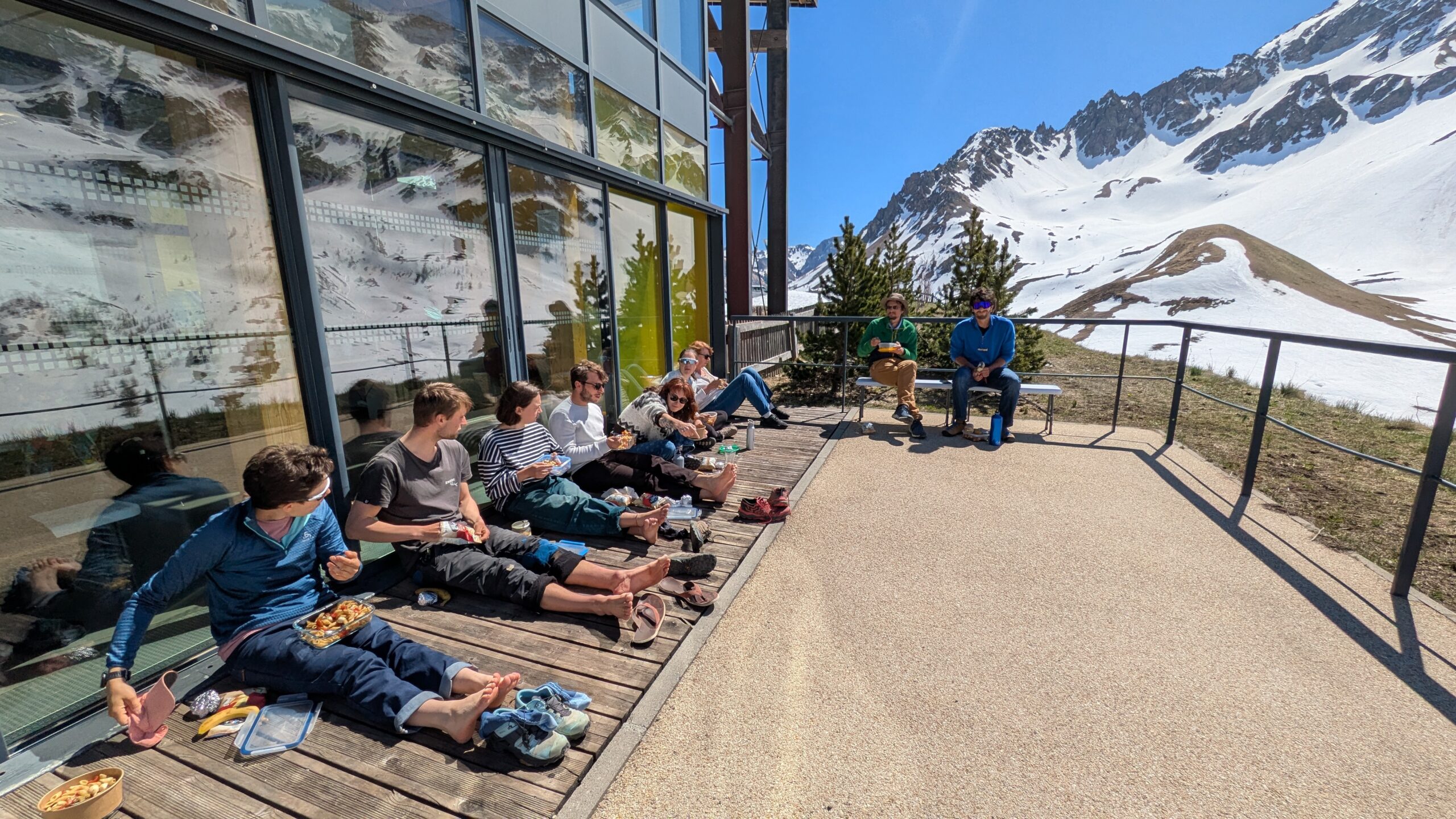
Coming from Grenoble Alpes and Savoie Mont Blanc Universities, they spent a week at the Jardin du Lautaret (2100 m.), outside the walls of classrooms or laboratories, experiencing research in the field, meeting local players to gain a concrete understanding of local issues, and exchanging ideas with expert researchers and lecturers from different disciplines.
This year’s theme – mountain snow and ice in the context of global change – led participants to meet Éric Lecomte, a technician at the Serre-Chevalier plant, and Gaétan Heymes, a forecaster at Météo France in Briançon. The program also included a visit to the Col du Lautaret experimental avalanche study site, in the company of Hervé Bellot (Inrae) and Emmanuel Thibert (Institut des géosciences de l’environnement).
The Mountain Research School participants were also provided with a variety of insights by Pascal Hagenmuller (Centre d’étude de la neige) and Florence Naaim (Osug) on the physical aspects of snow; by economist Hugues François (Lessem) on research results from the Climsnow project; by sociologist Véronique Reynier (Pacte) on the Transtat project; and by biologist Eric Maréchal on red algae.
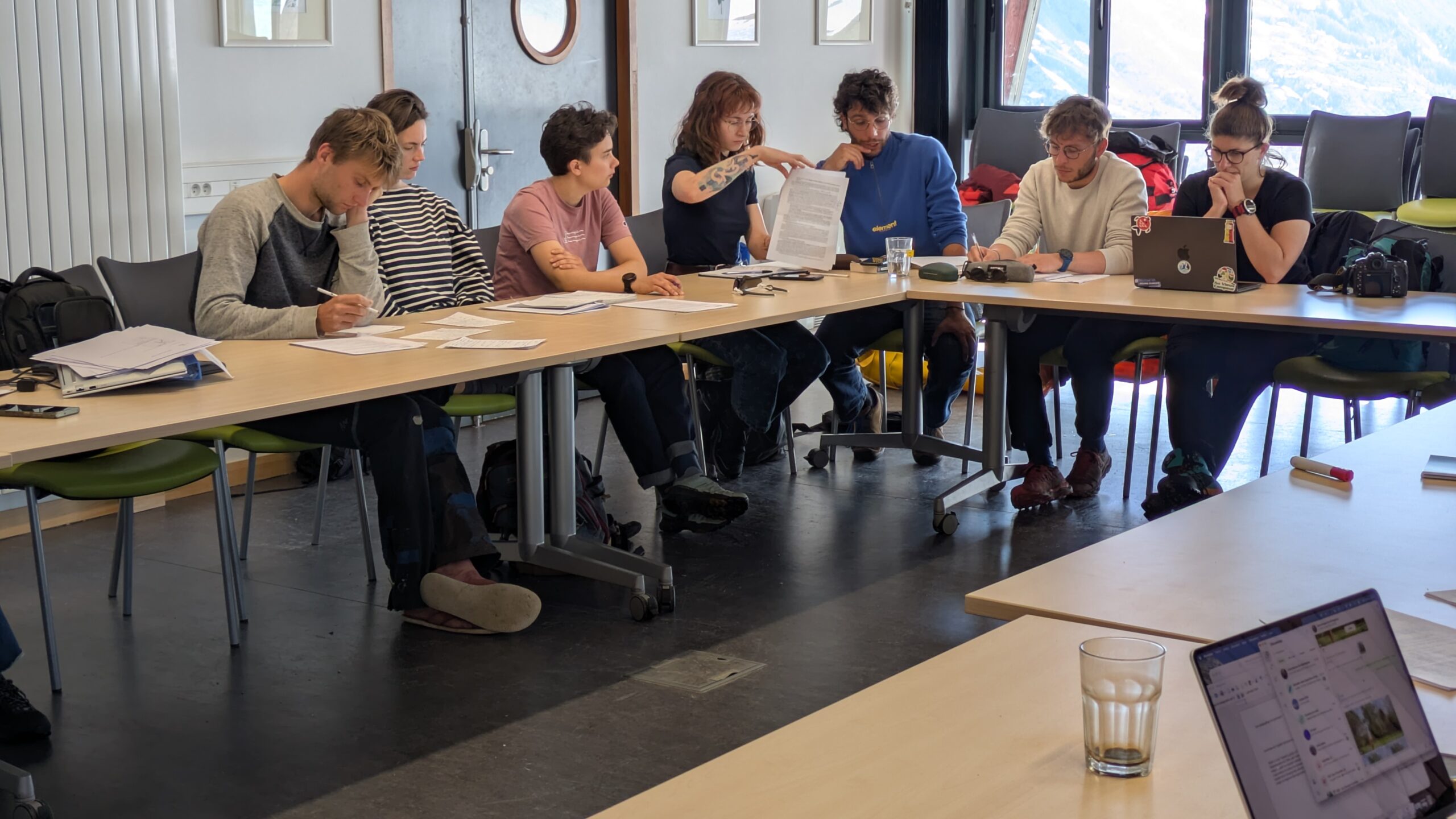
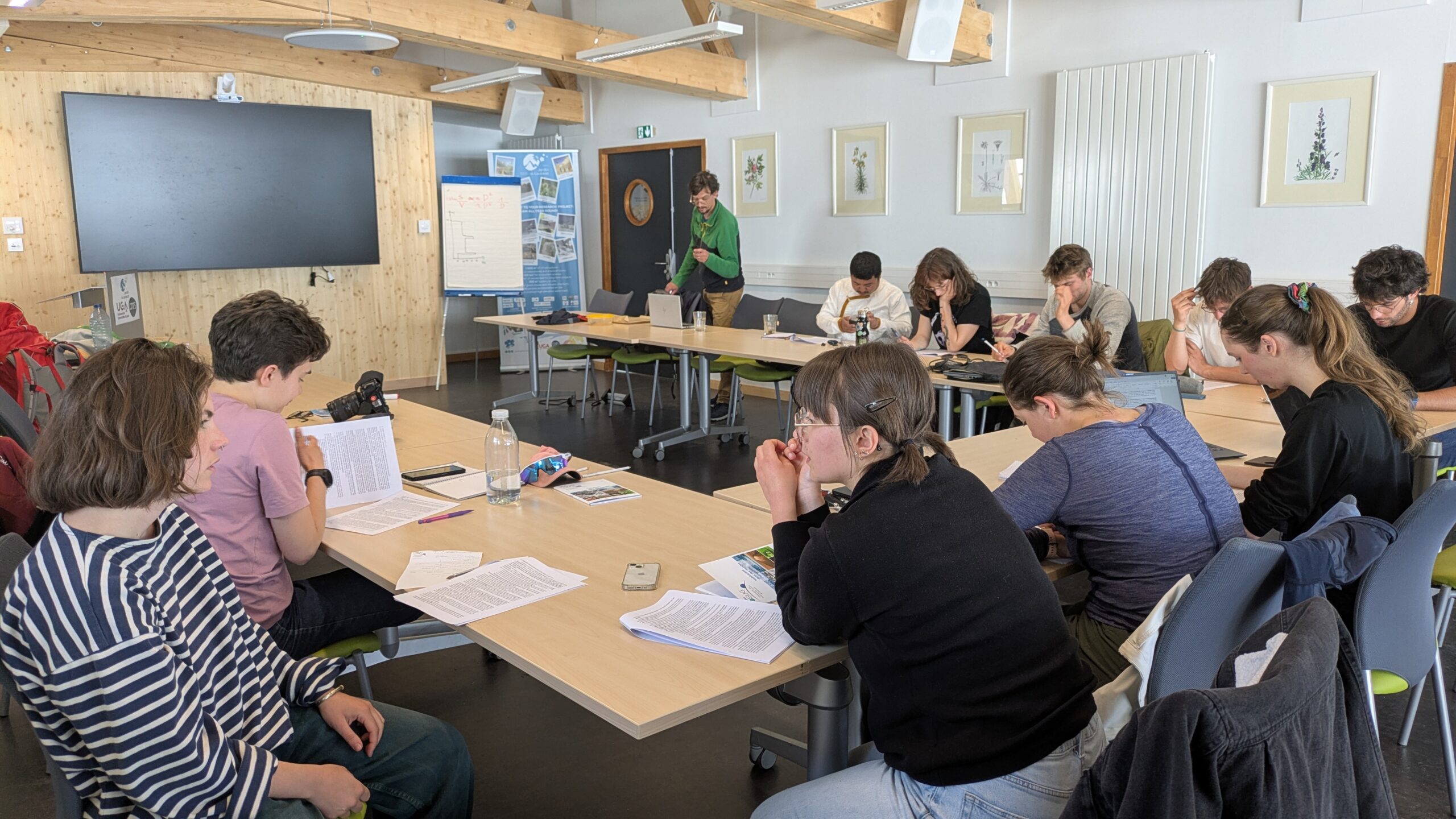
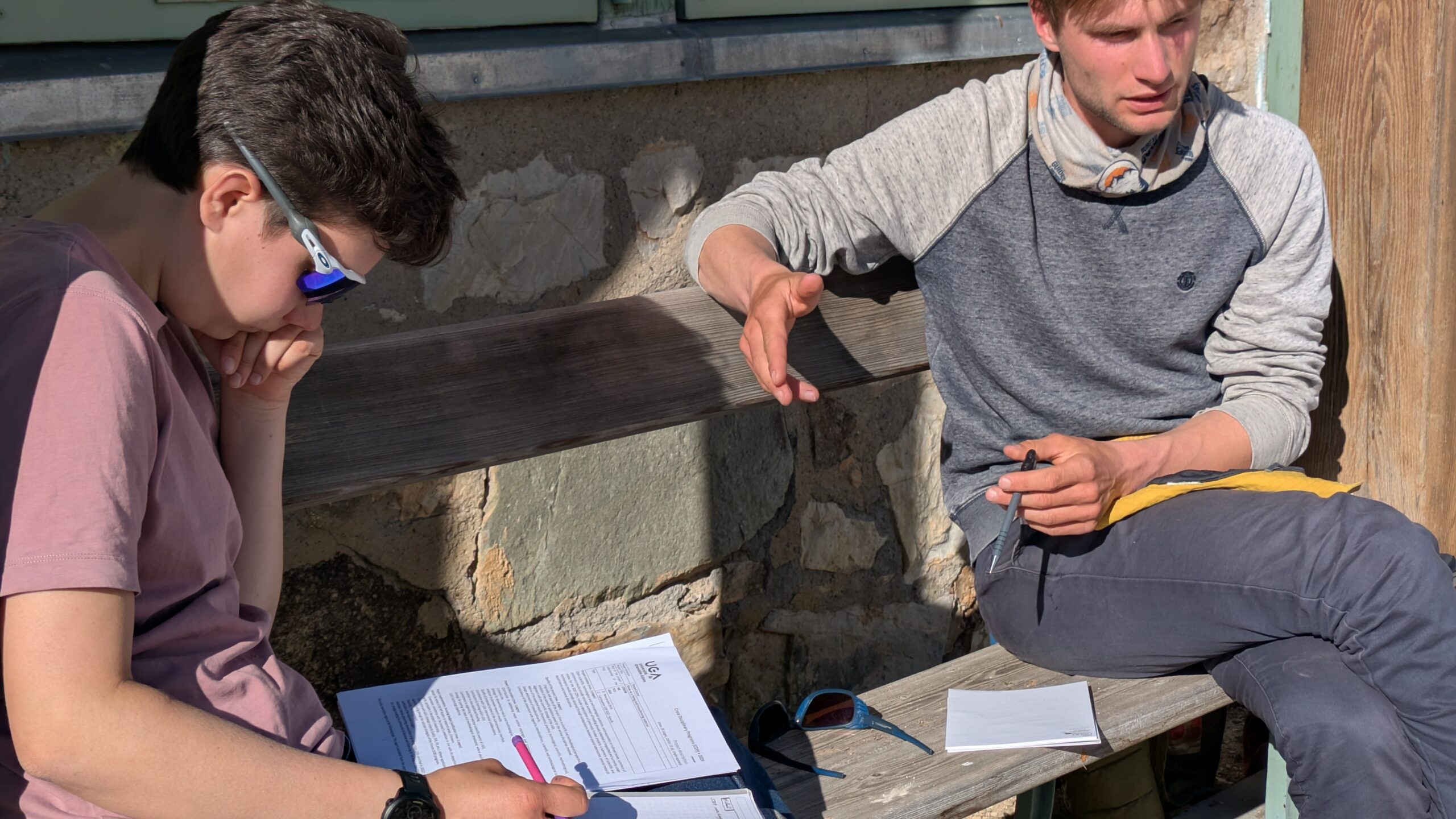
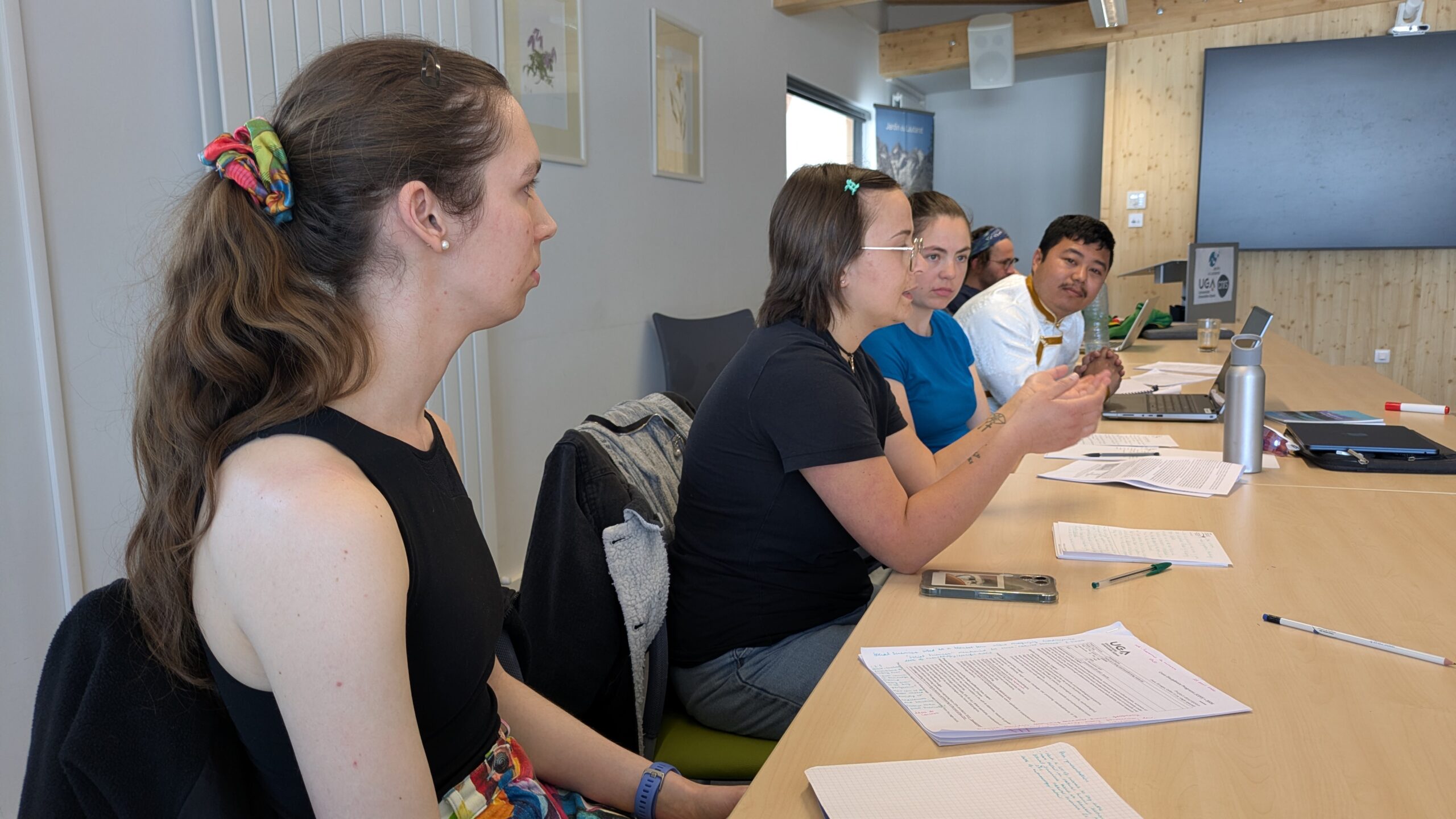
To round off the week, participants were invited to take part in an original exercise: putting themselves in the shoes of an evaluator to take a critical look at a research project submitted in response to a call for proposals. Once they had overcome their apprehension, the different groups were able to take on this fictitious role and offer sharp feedback, with the hindsight offered by the fresh perspective of young researchers or researchers in the making. The place of the humanities and social sciences in the scientific field was amply discussed.
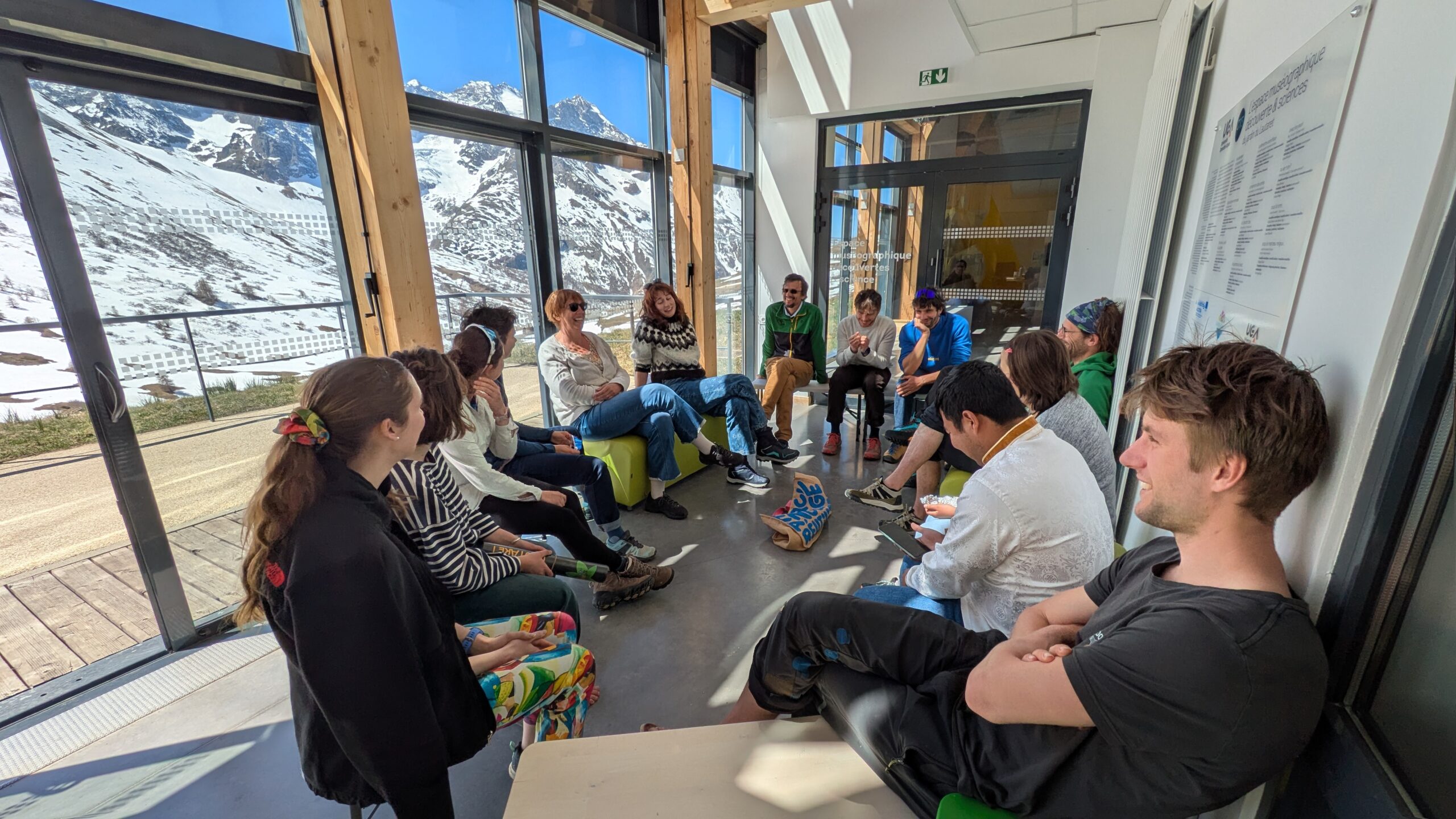
The exercise also opened the door to a wider discussion of the issues at stake in the world of research, and to numerous ethical and methodological questions raised by the participants:
- How can we really bring interdisciplinarity to life, beyond certain display effects, and really break out of the logics of disciplinary silos?
- Where should interdisciplinary research be published? Should researchers publish in paying journals?
- How should we approach projects involving air travel abroad in terms of carbon footprint?
- How do we position ourselves in a research context largely guided by a system of Calls for Projects?
- How can we reconcile our passion for research with the red tape involved in finding funding?
- How can I give meaning to my job as a researcher, and am I cut out for research?
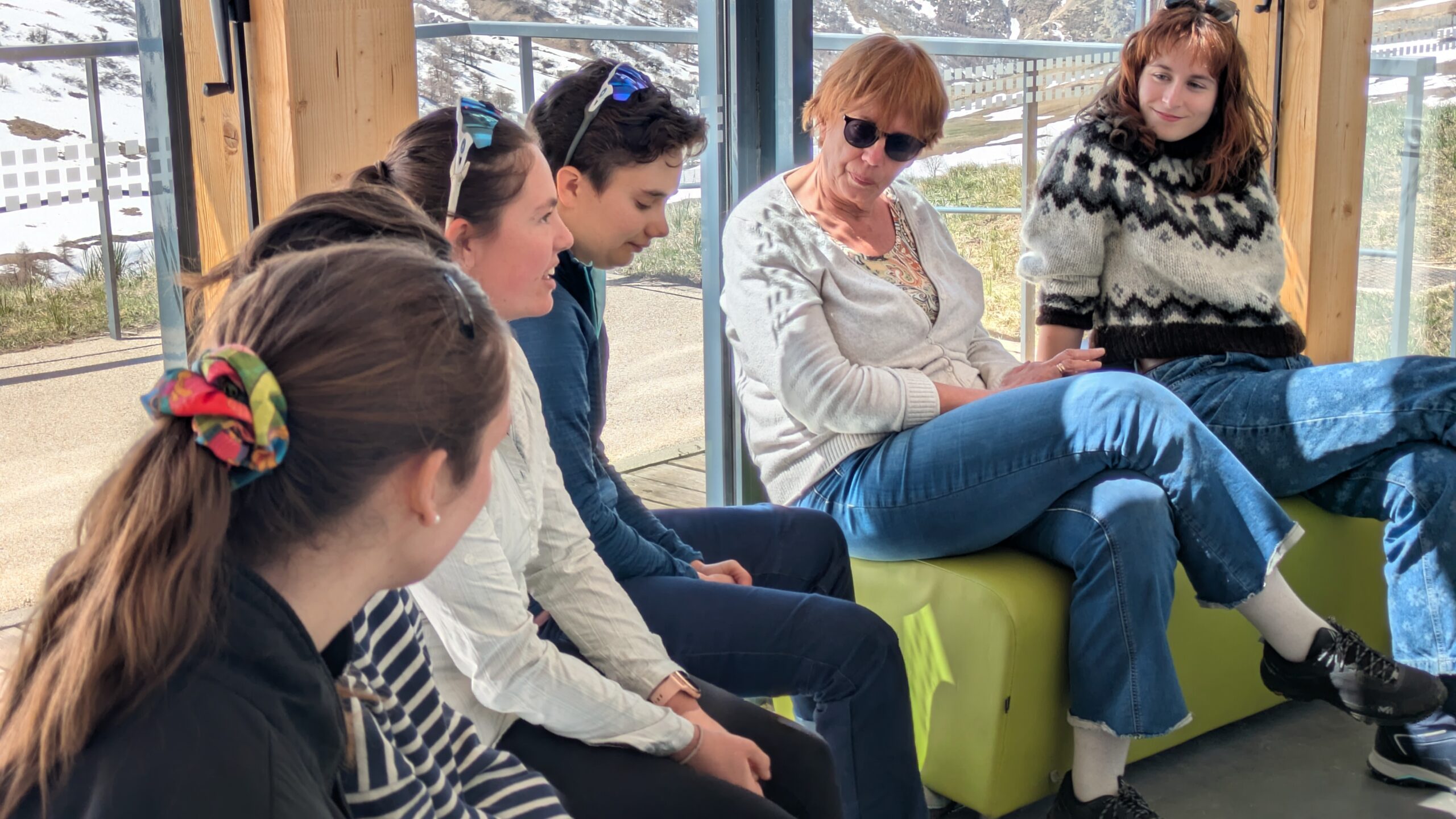
As always, the fieldwork and informal exchanges proved to be rich in lessons, offering plenty of food for thought for the participants in this new spring MRS, as well as for the organizers.