


Southern Africa in the race for transition minerals
Début du projet : 2024This thesis examines the territorial upheavals caused by the extraction of energy transition minerals in southern Africa. Replacing fossil fuels with so-called decarbonized energies requires a phenomenal quantity of minerals, the extraction of which is spreading to new territories.
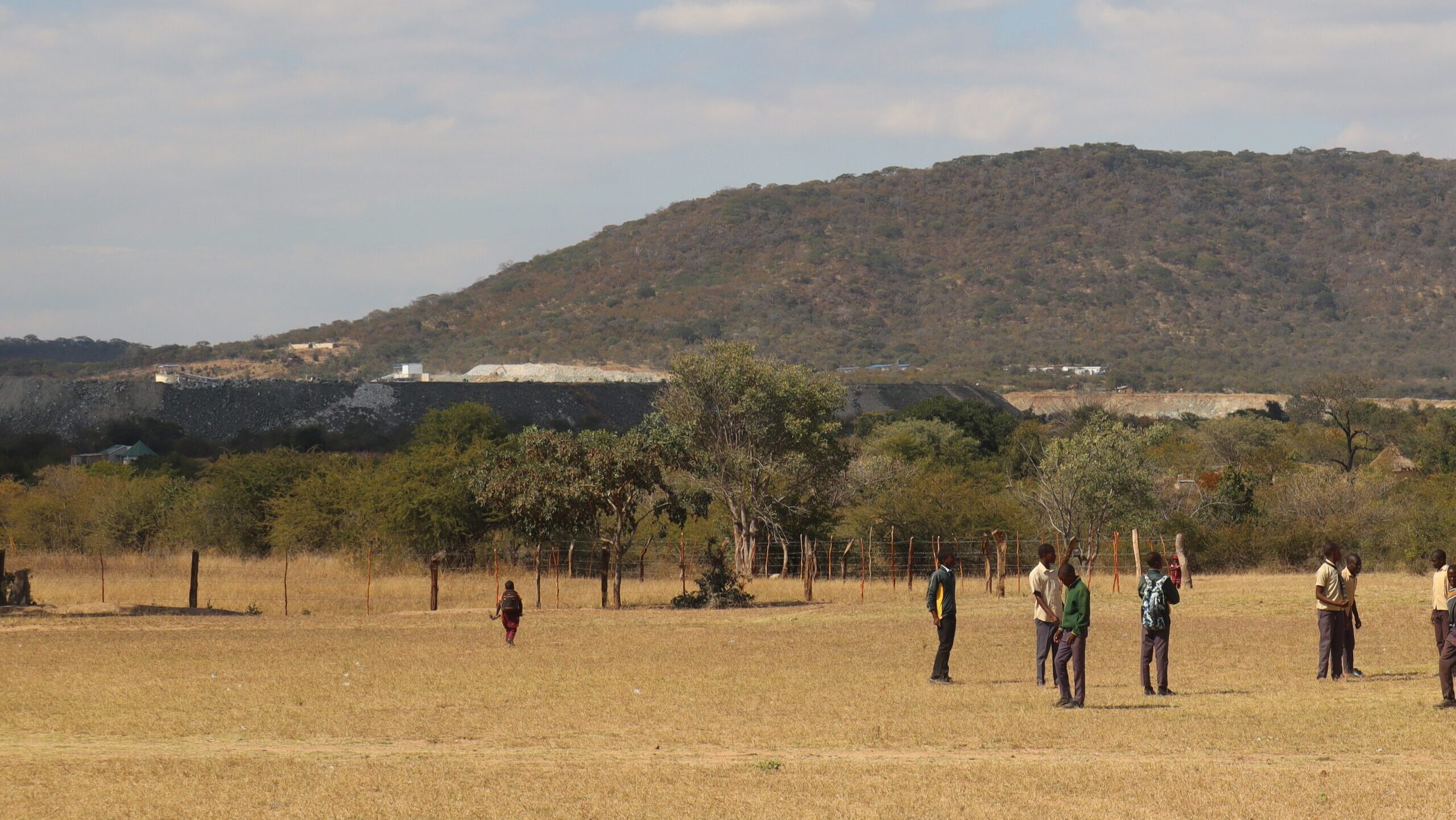 © Antoine Latarge
The signing of the Paris Agreements in 2015 enshrined the willingness of the signatory states to replace fossil fuels with “decarbonized” energies in order to limit global warming to below 1.5°C. Extraction of the minerals needed to produce, transport and consume these energies is growing and extending to new territories.
Mining projects (lithium, uranium, copper, platinum, etc.) are being set up, perpetuated or expanded, particularly in the countries of the “Global South”. To fuel the production of “decarbonized” energies, the balance of many territories is being upset. Water consumption, pollutant discharges, population displacements, soil destruction… are all potential consequences of mining, making it a particularly conflict-ridden activity.
In order to shed light on one of the facets of the energy transition that has received little attention to date, this research project aims to understand how the mineral extraction associated with this transition is reshaping the social, spatial and political organization of the territories concerned. A comparative dimension between case studies in Zimbabwe, Namibia and Southern Africa reveals the influence of several factors on the differences in territorialization of mining that can be observed.
Thesis Afrique du sud Namibie Zimbabwe Planning, public policy and governance Populations and territories
Coordination

Antoine Latarge
Edytem (USMB)


